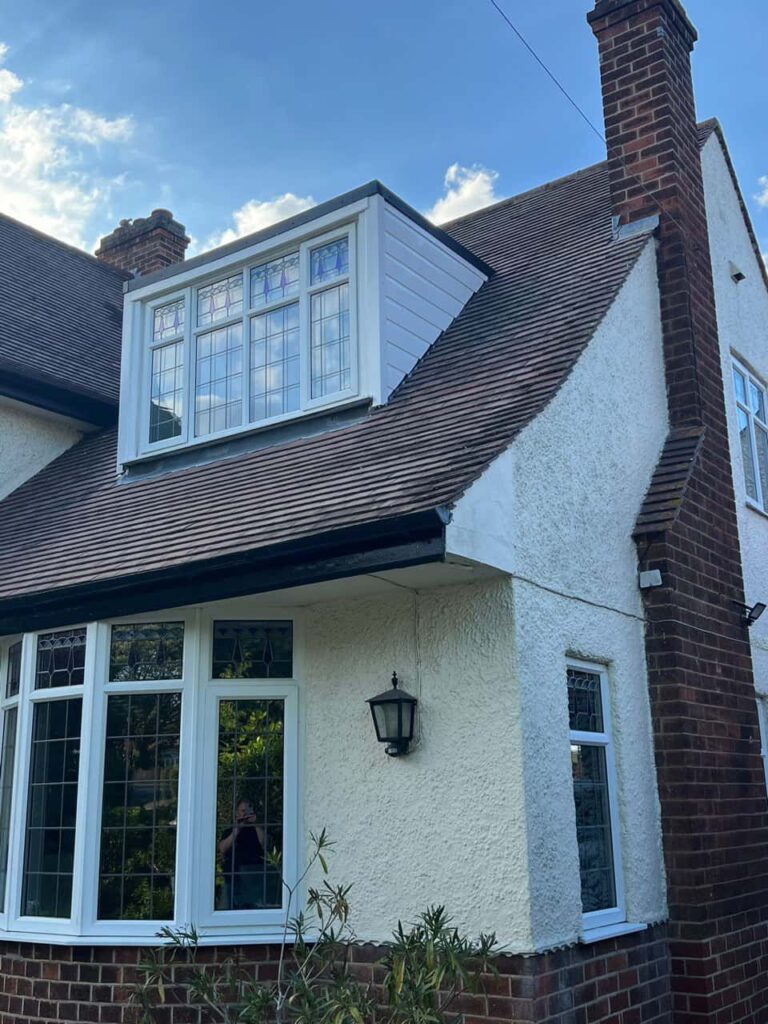
A roof underlay provides an important secondary layer of protection beneath tiles and slates. Although the external roof covering is designed to keep most rainfall out, small amounts of moisture can sometimes pass beneath the tiles, particularly during heavy or wind-driven rain. The underlay helps manage this moisture and direct it towards the roof drainage system.
When the underlay becomes damaged, deteriorates or is incorrectly fitted, its ability to protect the roof structure can be reduced. Water may then reach the roof timbers, insulation and internal parts of the property, potentially causing dampness and further deterioration.
For property owners in Shirebrook, Derbyshire, understanding how roof underlay problems develop can help identify early warning signs and prevent minor defects from becoming more serious roofing issues.
How Damaged Roof Underlays Allow Water to Enter
Tears and Splits in the Underlay
Roof underlay can become torn or split through ageing, physical damage or movement within the roof structure. Even relatively small openings can create a route for moisture to pass through the protective layer.
Once the material is compromised, rainwater that has travelled beneath the tiles may reach the roof space instead of being directed safely towards the eaves. The resulting moisture can affect insulation and timber components if the problem remains unresolved.
A professional inspection can help locate damaged sections and establish whether localised repairs or more extensive work are needed.
Deterioration Through Age and Weather Exposure
Roof underlays are exposed to changing conditions throughout their service life. Temperature fluctuations, moisture and general ageing can gradually affect the strength and flexibility of some materials.
As an underlay deteriorates, it may become brittle, weakened or less resistant to tearing. Older materials can also lose their ability to remain securely positioned beneath the roof covering.
When deterioration affects larger sections, simply repairing one visible defect may not provide a reliable long-term solution. The overall condition of the underlay should be considered.
Poor Installation and Incorrect Overlapping
Correct installation is essential for an underlay to perform effectively. Individual sections need to overlap appropriately so that water can travel down the roof slope without passing through exposed joints.
If the material has been poorly positioned, incorrectly overlapped or inadequately secured, gaps may develop where moisture can enter. Problems around roof valleys, ridges, chimneys and other junctions can be particularly concerning because several roofing components meet in these areas.
Careful installation and suitable detailing help maintain a continuous protective layer beneath the tiles or slates.
Sagging or Displaced Underlay
Underlay that becomes loose or displaced may no longer direct water towards the eaves as intended. Sagging can also create areas where moisture collects rather than flowing away naturally.
This may happen because of failed fixings, material deterioration or previous work that has disturbed the underlay. If the material pulls away from its intended position, water can reach vulnerable parts of the roof structure.
Correcting the problem involves identifying why the underlay has moved and restoring the necessary support and positioning.
Damage Around Roof Features and Junctions
Areas where the roof meets chimneys, vents, valleys and other features require particular attention. These junctions often involve additional detailing to maintain a continuous barrier against moisture.
If the underlay has been cut incorrectly, poorly connected or damaged during previous roofing work, water may find a route through the affected area. Leaks can then develop even when the surrounding tiles appear to be in reasonable condition.
Inspecting these details is an important part of identifying the true source of water ingress.
Warning Signs of Roof Underlay Problems
Damage beneath the roof covering is not always visible from outside the property. However, certain signs may indicate that moisture is reaching the roof space.
Look out for:
- Damp patches or water staining on ceilings.
- Wet or compressed loft insulation.
- Moisture appearing on roof timbers.
- A persistent musty smell in the loft.
- Water ingress that becomes noticeable after heavy rainfall.
- Visible sagging or damaged material beneath the roof covering.
These symptoms can have several possible causes, so it is important to have the roof assessed rather than assuming the underlay is responsible.
Why Professional Roof Repairs Are Important
Repairing water ingress effectively requires identifying where the moisture is entering and understanding why the protective layer has failed. Replacing damaged tiles alone may not resolve the problem if the underlay beneath them is also compromised.
Shirebrook Roofing Repairs can assess roofing problems in Shirebrook, Derbyshire, and identify whether damaged underlay, defective roof coverings or vulnerable junctions are contributing to water ingress. The appropriate repair will depend on the extent of the damage and the condition of the surrounding roof structure.
Addressing defects promptly can help protect insulation, roof timbers and internal finishes from continued moisture exposure.
Conclusion
Damaged roof underlays can contribute to water ingress when tears, deterioration, poor installation or displaced sections prevent moisture from being directed safely away. Because these defects are often hidden beneath tiles and slates, identifying the underlying cause is essential for achieving an effective repair.
For property owners in Shirebrook, Derbyshire, Shirebrook Roofing Repairs can help investigate suspected leaks and recommend suitable roofing repairs. If you have noticed damp patches, loft moisture or signs of a persistent roof leak, contact the team to arrange an assessment.
Call us on: 01623 701 195
Click here to find out more about Shirebrook Roofing Repairs
Click here to complete our contact form and see how we can help with your roofing needs.