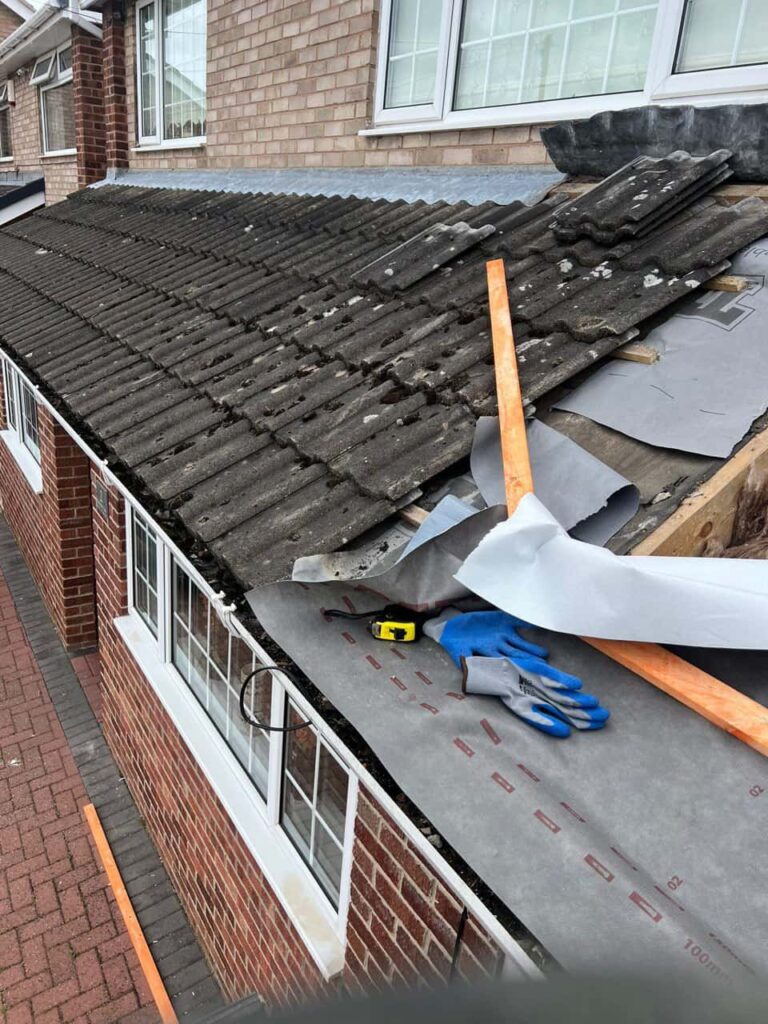
Felt roofing is widely used on flat and low-pitched roofs because it provides a practical protective layer against the elements. However, like any roofing material, felt can deteriorate over time. Cracks, blisters, damaged edges and water ingress can all affect the condition of a roof if problems are not addressed.
For homeowners in Shirebrook, Derbyshire, understanding the common signs of felt roof damage can make it easier to identify problems early and arrange suitable repairs. Regular attention can also help maintain the condition of the roof and potentially extend its useful lifespan.
What Is a Felt Roof?
A felt roof is a roofing system that uses layers of bituminous felt to create a weather-resistant covering. It is commonly found on flat roofs, extensions, garages and other structures.
Modern felt roofing systems can provide reliable protection when correctly installed. However, the roof still needs to be inspected periodically because exposure to rainfall, temperature changes and general weather conditions can gradually affect the materials.
Common Problems Affecting Felt Roofs
Several issues can develop as a felt roof ages. Some are relatively minor when first noticed but can become more significant if water is allowed to enter the roofing structure.
Common problems include:
- Cracks or splits in the felt
- Blisters or bubbles beneath the surface
- Loose or damaged edges
- Deteriorated joints and seams
- Damaged flashing around roof junctions
- Standing water caused by poor drainage
- Damp patches or water staining inside the property
Identifying the source of a problem is important because visible damage is not always the only issue affecting the roof.
Cracks, Splits and Surface Damage
Felt can develop cracks or splits as it ages. Repeated exposure to changing temperatures can cause roofing materials to expand and contract, gradually placing stress on vulnerable areas.
Small defects may allow water to penetrate beneath the surface. If moisture reaches the layers below, dampness and deterioration can develop within the roof structure.
A damaged section should therefore be assessed rather than simply covered over without determining the cause.
Blisters and Bubbles in Felt Roofing
Blistering occurs when air or moisture becomes trapped beneath the roofing material, creating raised areas on the surface. Some blisters may remain intact, while others can eventually split and expose the roof to water.
Walking over or deliberately puncturing these areas can make the problem worse. A professional inspection can establish whether the affected section can be repaired or whether more extensive work is required.
Water Pooling on a Felt Roof
Flat roofs are designed with drainage arrangements to help prevent excessive water accumulation. However, blocked outlets, inadequate falls or changes in the roof structure can result in areas where water remains after rainfall.
Persistent standing water can place additional stress on the roof covering and may contribute to deterioration over time. Keeping drainage points clear and addressing changes in the roof surface can help reduce this risk.
Signs of a Felt Roof Leak
Water entering a property through a felt roof may appear as damp patches, staining or moisture on ceilings and walls. In some cases, the first visible sign may occur some distance from the actual point where water entered.
This is because water can travel through roofing materials before becoming visible internally. For this reason, simply repairing the area where a damp patch appears may not address the original source of the leak.
When Does a Felt Roof Need Repair?
A professional inspection can help determine the appropriate course of action. Localised damage may be suitable for repair, while widespread deterioration may require more substantial work.
The surrounding roof should also be checked to identify whether there are additional defects that could cause future leaks. Addressing problems systematically can help avoid repeatedly repairing the same symptoms.
How to Extend the Lifespan of a Felt Roof
Regular maintenance can help preserve a felt roof and identify problems before they become more extensive. Homeowners should periodically check for visible damage and pay attention to signs of water ingress.
Useful maintenance measures include:
- Keeping roof drainage points clear
- Removing accumulated leaves and debris
- Checking flashing and roof edges for damage
- Investigating damp patches promptly
- Arranging professional inspections when defects are suspected
Preventative attention is particularly useful for flat roofs because small defects can sometimes remain unnoticed until water has already entered the structure.
Professional Felt Roof Repairs in Shirebrook
When a felt roof develops damage, professional assessment can help identify the underlying cause and determine the most appropriate repair.
Shirebrook Roofing Repairs provides professional roofing services in Shirebrook, Derbyshire, with attention to the condition of the felt covering, roof junctions, drainage and surrounding areas. Whether the issue involves a leak, damaged felt or deterioration around a vulnerable section, an appropriate repair can help restore the roof’s protective function.
Conclusion
Felt roofs can provide effective protection for many years, but their condition depends on proper installation, drainage, maintenance and timely attention to damage. Cracks, blisters, loose edges, damaged flashing and standing water can all contribute to roofing problems if left unresolved.
If you have noticed signs of damage or a possible leak on a felt roof in Shirebrook, Derbyshire, contact Shirebrook Roofing Repairs to arrange a professional assessment and discuss the appropriate repair for your roof.
Call us on: 01623 701 195
Click here to find out more about Shirebrook Roofing Repairs
Click here to complete our contact form and see how we can help with your roofing needs.